


Choosing The Right Furniture For Your Room Theme
August 14th, 2026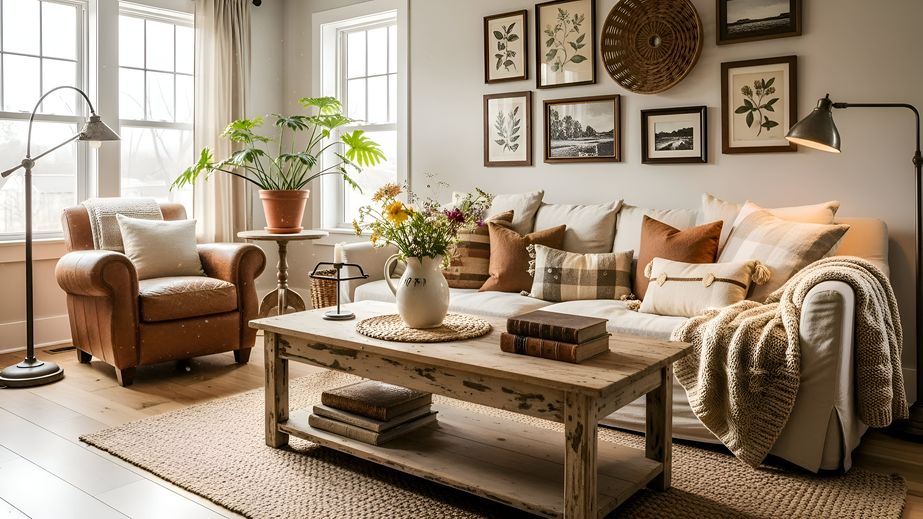
Choosing a theme or design style for a room is one thing. Finding furniture that actually brings that vision together is another. Your furniture is often what defines the overall look and feel of a space, so choosing pieces that complement your theme can make the difference between a room that feels thoughtfully designed and one that feels disconnected.
The good news is that your furniture does not have to match perfectly. In fact, mixing different pieces can often create a more interesting and personalized space. The key is finding common elements that help everything work together.
Whether you are starting from scratch or refreshing an existing room, here are some tips for choosing the right furniture for your room theme.
Start With the Purpose of the Room
Before thinking about colours or furniture styles, consider how you actually use the space. A formal dining room has different needs than a casual family room, while a bedroom should prioritize relaxation and comfort.
Think about who uses the room, how often it is used, and what activities take place there. Your answers will help determine which furniture pieces should take priority.
For example, a busy family room may need a comfortable sectional or sofa, plenty of seating, and practical storage. A dining room used for entertaining might benefit from a larger dining table and comfortable chairs.
Function should always provide the foundation; then you can build your design theme around it.
Choose a Colour Palette
Colour is one of the easiest ways to establish a room’s theme. Before purchasing furniture, select a general colour palette that will guide your choices.
Neutral furniture is incredibly versatile and works especially well if you like changing your décor throughout the year. Sofas, beds, and dining tables in classic finishes can serve as anchor pieces, while rugs, pillows, artwork, and accent chairs introduce colour and personality.
You also do not need every furniture piece to be the exact same shade. Using complementary colours and finishes can create a more layered look. For more ideas, check out these tips for mixing and matching furniture.
Match Furniture to Your Design Style
Once you have established the room’s purpose and colour palette, think about the overall style you want to achieve.
A modern room might feature clean lines, simple silhouettes, and minimal ornamentation. Rustic or cottage-inspired spaces often incorporate natural wood, warm colours, and textured fabrics. Traditional rooms may include rich wood finishes, upholstered seating, and more detailed furniture designs.
If you prefer an eclectic look, mixing styles is completely acceptable. Just make sure there is something connecting the pieces, such as a shared colour, material, shape, or finish.
Your furniture should support your theme without making the room feel overly coordinated or staged.
Pay Attention to Size and Scale
Even the perfect piece of furniture can feel wrong if it does not fit the room properly.
Measure your space before purchasing larger pieces and consider how much room you need for comfortable movement. An oversized sectional can overwhelm a compact living room, while a small sofa may feel lost in a large open-concept space.
Scale also applies to how furniture pieces relate to one another. A delicate accent table may look out of proportion beside a large sofa, while an oversized coffee table can make a smaller seating area feel crowded.
If you are unsure about placement, Conway Furniture also offers room planning and design assistance to help determine which pieces work best with your home’s measurements.
Create a Focal Point
Most well-designed rooms have something that naturally attracts attention. Depending on the space, this might be a fireplace, entertainment centre, dining table, bed, large window, or statement piece of furniture.
Once you identify the focal point, arrange your furniture to complement it rather than compete with it.
In a living room, seating can be positioned around a fireplace or television. In a bedroom, the bed typically serves as the visual anchor. In a dining room, the table naturally becomes the centre of attention.
Thinking about your focal point can make furniture placement easier and help the room feel more intentional.
Keep the Rest of Your Home in Mind
While each room can have its own personality, it should not feel completely disconnected from the rest of your home.
Repeating certain colours, materials, wood finishes, or design elements can create better interior design flow from room to room. This is particularly important in open-concept homes, where several spaces may be visible at once.
Your living room does not need to match your dining room exactly, but carrying a few shared elements between them can make your entire home feel more cohesive.
Bring Your Room Theme Together With the Right Furniture
Choosing furniture for a particular room theme is ultimately about finding the right balance between style, comfort, and function. Start with the way you use the room, establish a colour palette, and choose furniture that fits both your design vision and the scale of your space.
At Conway Furniture, we offer a wide selection of living room, dining room, bedroom, and home accent furniture in styles ranging from classic and traditional to contemporary. Browse our furniture online to start finding pieces that complement your room theme, then visit our showroom just east of Listowel, Ontario, to see your favourites in person. Our experienced team can help you compare styles, coordinate pieces, and create a space that feels comfortable, cohesive, and uniquely yours.

Leave a Reply