


How to Make Your Interior Design Flow from Room to Room
June 2nd, 2026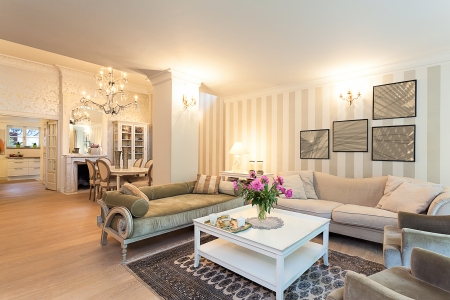
A beautifully designed home is not just about how each room looks individually. It is also about how the entire home feels when you move from one space to another. When colours, furniture, and décor work together, your home feels more cohesive, comfortable, and intentionally designed.
That does not mean every room needs to look exactly the same. In fact, giving each space its own personality can make your home more interesting. The goal is to create a sense of connection between rooms so the overall design feels balanced rather than disconnected.
Here are some simple ways to create better flow throughout your home.
Start With a Consistent Colour Palette
One of the easiest ways to create visual continuity is by using a consistent colour palette throughout your home. This does not mean every room has to be painted the same colour, but the shades should complement one another.
For example, if your living room features warm neutral tones, you might carry those same undertones into adjacent rooms through wall colours, furniture, artwork, or accessories. Soft greys, creams, beige tones, and natural wood finishes often work well because they provide flexibility while creating a cohesive backdrop.
You can still introduce accent colours in different rooms, but having a common foundation helps everything feel connected.
Create Continuity Through Flooring
Flooring has a major impact on how a home flows from one room to another. Using the same flooring material throughout large portions of your home can make spaces feel larger and more unified.
Hardwood, luxury vinyl plank, laminate, and tile can all create a seamless look when carried through multiple rooms. Even if different flooring materials are necessary, choosing finishes and colours that complement one another can help maintain visual consistency.
Area rugs can then be used to define specific spaces while still allowing the overall flooring design to connect the home.
Repeat Key Design Elements
Repeating certain design features throughout your home helps create a sense of harmony. This could include:
- Similar wood finishes
- Matching hardware finishes
- Consistent furniture styles
- Coordinated lighting fixtures
- Repeating accent colours
For example, if you have black hardware in your kitchen, incorporating black accents in nearby living spaces can help tie the design together. Likewise, repeating natural wood tones throughout several rooms creates a warm, cohesive feel.
Balance Different Furniture Styles
Many homeowners worry that all their furniture needs to come from the same collection to create flow. Fortunately, that is not the case.
Mixing furniture styles can create a more interesting and personalized home. The key is finding common elements that connect the pieces. Similar colours, materials, shapes, or finishes can help different furniture styles work together.
A modern sofa can pair beautifully with a traditional coffee table if they share complementary colours or textures. The goal is balance, not perfect matching.
Pay Attention to Sightlines
When you stand in one room and look into another, what do you see? These sightlines play a major role in how your home feels.
In open-concept homes, especially, furniture placement should help guide the eye naturally through the space. Large furniture pieces should not block important views, and focal points should feel intentional.
Try to create visual connections between adjoining rooms through artwork, colour, lighting, or furniture placement. This helps spaces feel related even when they serve different purposes.
Use Décor to Tie Rooms Together
Accessories are one of the easiest ways to create flow throughout a home. Throw pillows, artwork, lamps, vases, and decorative objects can all help connect spaces.
You do not need to use identical décor in every room. Instead, look for recurring colours, patterns, materials, or textures. For example, if you use brass accents in your dining room, incorporating brass details elsewhere in the home helps create consistency.
Small touches often make a bigger impact than people realize.
Give Each Room Its Own Identity
While continuity is important, every room should still have its own purpose and personality. A bedroom should not feel exactly like a dining room, and a home office should have different characteristics than a family room.
Think of your home’s design as a story. Each room represents a different chapter, but they should all feel like part of the same book.
Allow each space to have unique features while maintaining enough common design elements to create a sense of connection throughout the home.
Create a Home That Feels Connected
Good interior design is about more than selecting individual furniture pieces. It is about creating a home that feels welcoming, functional, and cohesive from room to room. By using a consistent colour palette, coordinating finishes, repeating key design elements, and choosing furniture thoughtfully, you can create a home that flows beautifully while still reflecting your personal style.
At Conway Furniture, we offer a wide selection of living room, dining room, bedroom, and accent furniture to help you create a cohesive look throughout your home. Whether you are furnishing a single room or redesigning your entire space, our team can help you find pieces that work together beautifully.
Browse our furniture collections online, then visit our showroom in Listowel, Ontario, to see your favourites in person and get expert advice on bringing your vision to life.

Leave a Reply